
Tips for Staying Calm During Family Conflicts at Tet | Safe and Sound
Tet is a time for family reunions, but it is also a time when conflicts are likely to arise due to pressure, expectations and differences in opinions. Psychologists say that when disagreements arise, staying calm not only helps you reduce stress and manage negative emotions, but also contributes to maintaining peace in the family. This article will share useful tips to help you overcome conflicts gently and effectively.
Ngo Thi Sang | Master of Educational Psychology – Applied mental health care Safe and Sound
Institute of Medical Technology Applications
1. Why do family conflicts easily occur during Tet?
Tet, besides being a time for reunion and rest, also brings with it a lot of psychological pressure and expectations. This is the reason why family conflicts are more likely to occur. The following reasons are often the main factors causing tension and disagreement.
1.1. Unrealistic expectations

Unrealistic expectations are a cause of family conflict during Tet.
Psychologists say that Tet comes with great expectations as an occasion for people to reunite, get along and create perfect moments. However, the reality does not always go as expected.
Expectations from family traditions: Many families expect their children to fully participate in rituals, visit relatives or follow traditional Tet rules. Generational differences and modern lifestyles make many young people feel awkward and mentally exhausted.
Desire for perfection: Each member may have their own vision of the “ideal Tet” and when reality does not meet these expectations, conflicts are likely to arise. For example, older people often want everyone to gather together, while younger people tend to enjoy Tet in a more free and private way.
1.2. Work and financial pressure
Psychologists share that the end of the year is a busy and stressful period, when people have to balance work and preparations for Tet.
Financial burden: Tet often comes with a series of expenses such as buying new clothes, food, gifts, lucky money… For families with limited income, financial pressure can create tension between members. Questions like “How should we spend?” or “Who will shoulder this?” can easily lead to arguments.
Work pressure: Many people have to finish their work before the Tet holiday, leading to psychological stress and prolonged fatigue. When they bring these negative emotions home, they easily react harshly to their loved ones without intending to.
1.3. Conflicts accumulated from the past
Family conflicts do not only arise from current problems, according to psychologists, they can also arise from unresolved conflicts in the past.
Repressed emotions: During the year, family members may not have much time to deal with disagreements due to busy schedules. But during the Tet holiday, when people spend more time together, suppressed emotions are more likely to surface.
Recurring Arguments: Minor disagreements, such as about spending, family responsibilities or even how to celebrate Tet, if not thoroughly resolved, will become the “fuel” for new conflicts.
2. Secrets to staying calm in family conflicts
Staying calm in family conflicts is the key to maintaining harmony, especially during Tet. Below are specific, detailed tips suggested by Safe and Sound's psychological experts to help you handle conflicts skillfully and effectively.
2.1. Take a deep breath and pause
When conflict arises, emotions can easily spiral out of control. Learn to pause and regulate your emotions through deep breathing.
Effects of deep breathing: According to psychologists, this technique helps activate the parasympathetic nervous system, calm the body and reduce stress.
How to do the 4-7-8 breathing exercise:
- Inhale gently for 4 seconds, feeling the air flow into your lungs.
- Hold your breath for 7 seconds, helping your body get used to slow breathing, feeling your stomach stretch like a ball.
- Exhale slowly through your mouth for 8 seconds, releasing all tension.
If the family conflict at that time is too stressful, psychologists advise that you can ask permission to leave the conversation for a few minutes to calm down, then return in a more stable mood.
2.2. Active listening
When everyone is talking and not listening, conflicts can escalate. Active listening not only helps you understand the other person's point of view, but also shows respect.
How to practice active listening:
- Eye contact: Maintain natural eye contact to show focus and interest.
- Small feedback: Nod or say "Yes, I understand"… to encourage the other person to express.
- Don't interrupt: Give them time to finish speaking before responding.
- Summarize: Repeat the main idea they just said to confirm that you understood correctly.
For example, when your wife complains that you are too focused on work and neglect household chores, you might respond: “I understand what you mean by saying that I am too focused on work and neglect household chores. I will pay more attention.”
2.3. Use positive language
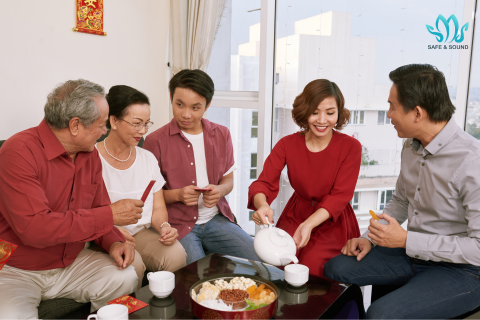
Use positive language
Words have the power to ease or heighten stress. Psychologists suggest choosing positive ways to express your feelings, avoiding judgment or blame.
Techniques for using “I/you/you” language:
- Instead of: “You always mess things up!”
- Try: “I feel a lot of pressure when things don't go as planned. Can we find a way to work through this together?”
Avoid offensive language: Words like “always,” “never,” or “it’s all your fault” can make your partner feel attacked and defensive.
2.4. Put yourself in other people's shoes
Understanding why someone acts or says something can help you be more empathetic, psychologists say.
Practice empathy:
- Ask yourself: “If I were in their position, how might I feel?”
- Realize that everyone has different circumstances, perspectives, and ways of expressing themselves. This helps you see the problem more objectively.
For example, if your parents are complaining, think about the pressure they face when they worry about maintaining traditions or wanting to keep the family together.
2.5. Learn to forgive and give in
Tet is an occasion to put aside disagreements and build stronger family relationships.
- Learn to forgive:
+ Realize that no one is perfect and everyone makes mistakes. Forgiveness helps you release negative emotions and avoid prolonging conflict.
+ Focus on the positive meaning of family reunion instead of letting small mistakes overshadow the Tet atmosphere.
- Prioritize harmony: Advice from psychological experts, sometimes giving in a little is not a sign of weakness, but a way to maintain warmth and happiness in the family.
2.6. Sharing the work of preparing for Tet

Share the work of preparing for Tet
One of the biggest causes of stress is the overwhelming amount of time it takes to prepare for Tet. So:
- Reasonable division of work:
+ Make a list of things to do, from cleaning, cooking to shopping and divide it clearly for each member.
+ Instead of taking on too much, trust others to delegate tasks, create cohesion and reduce pressure for yourself.
- Use outside support: Psychologists suggest that if you have too much work, consider hiring a cleaning service, pre-ordering food, or asking for help from friends and relatives.
3. How to prevent family conflicts during Tet
Preventing family conflicts during Tet not only helps to create a warm spring atmosphere but also builds lasting bonds between family members. Below are effective ways you can apply according to the instructions from Safe and Sound's psychological experts.
3.1. Set realistic expectations
The pressure of trying to create a “perfect” holiday is often a major source of stress, fatigue, and conflict, so set realistic expectations that fit your family’s circumstances.
- Focus on core values:
+ Remember that the meaning of Tet lies in family reunion, love and joy, not in lavish parties or expensive gifts.
+ Don't try too hard to please everyone. The important thing is to create a harmonious and friendly atmosphere.
- Accept your flaws: No one is perfect and a perfect Tet doesn't mean everything has to go 100% smoothly. Psychologists advise you to learn to enjoy the moments, even when they don't go according to plan.
3.2. Mental health care
Good mental health will help you maintain a positive attitude, thereby reducing the risk of conflict in the family.
- Get enough rest: Don't let yourself get exhausted from work or Tet preparations. Getting enough sleep and taking time to relax will help you maintain a clear mind.
- Maintain healthy habits:
+ Do light exercise like walking or yoga to reduce stress.
+ Eat and drink in moderation, avoid consuming too much sweet, greasy food or alcoholic drinks, as they can negatively affect your mood.
+ Practice meditation or deep breathing every day to balance your emotions.
- Take time for yourself:
+ Reward yourself with peaceful moments, such as reading a book, listening to music, or watching your favorite movie.
+ Avoid overworking or participating in too many social events without rest time.
3.3. Communication before Tet holiday
According to psychologists, clarity in communication is the key to avoiding misunderstandings and disagreements. Establish open lines of communication with family members before Tet.
- Discuss the plan:
+ Make a specific plan of what to do during Tet, from cleaning the house, shopping, to organizing family parties.
+ Don't be afraid to ask other members for their opinions so everyone feels included and contributing.
- Division of responsibilities:
+ Clearly define who will be in charge of what tasks, such as who goes shopping, who cooks, who cleans. Psychologists say this not only reduces stress but also creates good coordination between members.
+ Recognize and encourage each person's contribution, avoiding making anyone feel left out or too responsible.
- Set communication rules:
+ Avoid using critical or blaming words when stressed or tired.
+ Instead of judging, focus on how to solve the problem positively.
Family conflicts during Tet are inevitable, but how you face and handle them will determine the atmosphere of the first days of the year. Psychologists say that by staying calm, listening and respecting each other, you can turn conflicts into opportunities to bond and understand each other better.
Safe and Sound Clinic - Family health and psychological support
With a team of experienced doctors and specialists, Safe and Sound Clinic is a pioneer in comprehensive health care with health care services from medicine to psychology.
“Early prevention - Timely support - Long-term companionship”.
If you have any doubts or experience any physical or mental health problems, please contact HOTLINE 0964 778 911 (Phone/Zalo, 24/7) for answers and support as soon as possible!
HOW TO MAKE AN APPOINTMENT for online or in-person consultation with an expert
- At SnS Clinic - IMT Institute
- Or download and schedule a consultation on the Safe and Sound app to manage and track your schedule anytime, anywhere.
Safe and Sound (SnS) - Institute of Applied Medical Technology (IMT)

See also:
Understanding and overcoming nervous tension
Tips to help reduce stress and pressure during Tet (Part 1)
A Beginner's Guide to Practicing Mindfulness to Reduce Stress
